Eastrenhold
Flannery
Rating:
3L - 2S - 3V
| Discord Tag: Tag Immediately
Lasair Fiáin
Profile Pages

History

Camhanaich
spiritual/religious beliefs
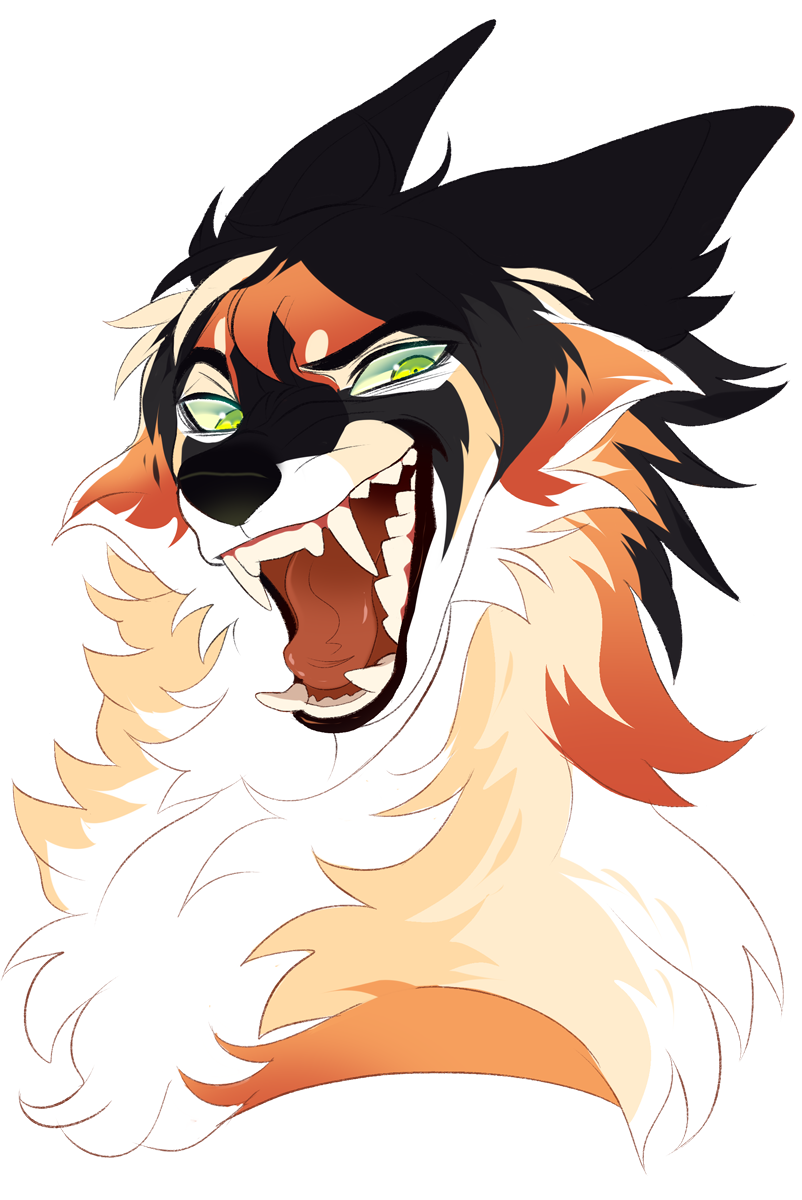
Flannery carries the ancient Irish landscape in her bones. Raised on the windswept fields of County Clare, she moves through the world convinced that every river murmurs secrets and every hill keeps its own story. When she stumbles on a smooth stone in the remains of a ringfort, she murmurs a quick “go raibh maith agat” to the land. She honors the Aos Sí not out of fear but out of reverence—leaving a pinch of salt by the hearth each Samhain as a quiet nod to the little people who share her home.
At her core, Flannery lives by a fiercely straightforward moral code: loyalty above all else, fairness in every fight, and an unshakeable resolve to protect anyone she calls “friend.” She’ll give the underdog every chance and never shrink from someone in need, even if it means charging headlong into trouble. Promises aren’t casual words to her—they’re bonds she’ll move heaven and earth to uphold—and any betrayal, however slight, kindles a blaze in her temper that few can quench.
Still, she tucks small superstitions into her everyday life quietly. If someone jinxes a situation, she’s the first to rap three times on nearby wood; if a raven croaks too close, she’ll spit over her shoulder without missing a beat. These little rituals aren’t empty gestures but threads weaving her present to the ancient rhythms of her homeland.
pre-mythris history
header
Flannery’s village clung to the edge of the Atlantic like it had something to prove. Salt lived in everything—her fur, the air, the worn wood of every dock and doorway—and the sea wasn’t just something you looked at. It was something you lived with. It decided when you worked, when you waited, and sometimes, who didn’t come home.
She grew up loud in a den that had no room for softness. Five brothers meant constant jostling, snapping, chasing—play that always edged just close enough to real fights. If she wanted space, she had to take it. If she wanted respect, she had to earn it the hard way. So she did. She learned early how to stand her ground, how to bite back when pushed, how to make it more trouble to underestimate her than it was worth.
The boys didn’t treat her like something delicate for long.
Her father noticed before anyone else did. Where others saw a headstrong problem, he saw something worth shaping. He never tried to force her into the quieter roles expected of her. He just let her follow.
Those evenings by the shore became hers.
He’d take her out when the tide was right, when the wind shifted just enough, teaching her how to read the water like it was alive. How to track the pull beneath the surface, how to smell a storm before it broke, how to move across slick rock without losing her footing. His lessons weren’t gentle, but they were steady. A nudge back when she got too close to danger. A low warning growl when she got careless. A rare, quiet approval when she got it right.
Those moments stayed with her more than anything else.
But even then, she noticed the cracks.
The way his movements grew heavier some nights. The way his scent changed when he’d been drinking too long—sharp, sour, dulled at the edges. The way arguments would ripple through the den before he even stepped inside. Flannery didn’t have the words for it yet, but she understood enough to ignore it. To pretend that version of him wasn’t the real one.
Because when he was himself, he was everything to her.
And when he wasn’t… she learned not to look too closely.
By the time she reached her early teens, the village already knew her. She was the one racing along cliff edges just to prove she could. The one who’d knock another wolf flat for a careless remark. The one who would push every limit just to see where it broke. There was something restless in it, something that never quite settled.
The other girls kept their distance. The adults had already made up their minds.
Flannery didn’t try to change that.
It was easier to be trouble than it was to be something people didn’t understand.
Then her father died.
No warning. No time to prepare. Just one day he was there, and the next he wasn’t—lost to the same sea he’d spent his life respecting. Some said it was a misstep along the rocks. Others said the drink had slowed him. No one said it to her face, but she heard it anyway.
It didn’t matter.
What mattered was that the one wolf who had ever truly seen her was gone.
And nothing fit right after that.
Grief didn’t settle into her quietly. It tore through her. She didn’t withdraw or grow still. She got louder. Sharper. Meaner, sometimes. She picked fights she didn’t need to pick. She ran herself ragged along the cliffs at night. And eventually, she started chasing the same dull numbness her father had.
At first, it felt like control. Like quiet.
Then it became something else.
She started lingering where the older wolves gathered, where the smell of drink hung thick and the stories never quite matched the truth. She told herself she was staying close to him that way, keeping something of him alive.
But the truth sat heavier.
She was walking the same path.
Debts built fast. Promises broke faster. What started as small hustles—taking what wasn’t hers, cutting corners, bluffing through things she didn’t fully understand—turned into bigger risks. Sometimes she got away with it. Sometimes she paid for it, one way or another.
Fights became routine. Some she started out of anger. Others just found her.
Either way, she never backed down.
Still, pieces of who she used to be never fully disappeared. She’d help mend a net without being asked. Share a catch with someone who needed it more. Stand between someone weaker and something worse, even if she pretended it didn’t matter after.
She never stayed for thanks.
Didn’t think she’d earned it.
Now, she’s part of the village in a way that’s hard to ignore and easy to dismiss. Everyone knows her. Most have written her off. She’s the warning, the example of what happens when someone burns too hot and too wild for too long.
But that spark in her never fully went out.
It’s still there in the way she walks the shoreline at night, even when she shouldn’t. In the way she can still read the tide without thinking. In the way something in her refuses to let go of the girl who once sat beside her father and felt like she belonged.
She just doesn’t know how to be that girl again.
Or if she believes she deserves to.
y1 — spring
Lorem ipsum dolor sit amet, consectetur adipiscing elit. Donec a maximus tortor, eu placerat risus. Ut leo lectus, tincidunt non elit iaculis, gravida aliquet ex. Integer quis turpis sapien. Phasellus non neque vitae enim iaculis cursus. Praesent elit quam, efficitur in mollis sed, lacinia et mauris. Morbi sagittis risus eu pharetra hendrerit. Curabitur tincidunt mattis iaculis. Vestibulum sapien neque, imperdiet gravida dictum nec, convallis id ante.
Lorem ipsum dolor sit amet, consectetur adipiscing elit. Donec a maximus tortor, eu placerat risus. Ut leo lectus, tincidunt non elit iaculis, gravida aliquet ex. Integer quis turpis sapien. Phasellus non neque vitae enim iaculis cursus. Praesent elit quam, efficitur in mollis sed, lacinia et mauris. Morbi sagittis risus eu pharetra hendrerit. Curabitur tincidunt mattis iaculis. Vestibulum sapien neque, imperdiet gravida dictum nec, convallis id ante.
y1 — summer
Lorem ipsum dolor sit amet, consectetur adipiscing elit. Donec a maximus tortor, eu placerat risus. Ut leo lectus, tincidunt non elit iaculis, gravida aliquet ex. Integer quis turpis sapien. Phasellus non neque vitae enim iaculis cursus. Praesent elit quam, efficitur in mollis sed, lacinia et mauris. Morbi sagittis risus eu pharetra hendrerit. Curabitur tincidunt mattis iaculis. Vestibulum sapien neque, imperdiet gravida dictum nec, convallis id ante.
Lorem ipsum dolor sit amet, consectetur adipiscing elit. Donec a maximus tortor, eu placerat risus. Ut leo lectus, tincidunt non elit iaculis, gravida aliquet ex. Integer quis turpis sapien. Phasellus non neque vitae enim iaculis cursus. Praesent elit quam, efficitur in mollis sed, lacinia et mauris. Morbi sagittis risus eu pharetra hendrerit. Curabitur tincidunt mattis iaculis. Vestibulum sapien neque, imperdiet gravida dictum nec, convallis id ante.
y1 — autumn
Lorem ipsum dolor sit amet, consectetur adipiscing elit. Donec a maximus tortor, eu placerat risus. Ut leo lectus, tincidunt non elit iaculis, gravida aliquet ex. Integer quis turpis sapien. Phasellus non neque vitae enim iaculis cursus. Praesent elit quam, efficitur in mollis sed, lacinia et mauris. Morbi sagittis risus eu pharetra hendrerit. Curabitur tincidunt mattis iaculis. Vestibulum sapien neque, imperdiet gravida dictum nec, convallis id ante.
Lorem ipsum dolor sit amet, consectetur adipiscing elit. Donec a maximus tortor, eu placerat risus. Ut leo lectus, tincidunt non elit iaculis, gravida aliquet ex. Integer quis turpis sapien. Phasellus non neque vitae enim iaculis cursus. Praesent elit quam, efficitur in mollis sed, lacinia et mauris. Morbi sagittis risus eu pharetra hendrerit. Curabitur tincidunt mattis iaculis. Vestibulum sapien neque, imperdiet gravida dictum nec, convallis id ante.
y1 — winter
Lorem ipsum dolor sit amet, consectetur adipiscing elit. Donec a maximus tortor, eu placerat risus. Ut leo lectus, tincidunt non elit iaculis, gravida aliquet ex. Integer quis turpis sapien. Phasellus non neque vitae enim iaculis cursus. Praesent elit quam, efficitur in mollis sed, lacinia et mauris. Morbi sagittis risus eu pharetra hendrerit. Curabitur tincidunt mattis iaculis. Vestibulum sapien neque, imperdiet gravida dictum nec, convallis id ante.
Lorem ipsum dolor sit amet, consectetur adipiscing elit. Donec a maximus tortor, eu placerat risus. Ut leo lectus, tincidunt non elit iaculis, gravida aliquet ex. Integer quis turpis sapien. Phasellus non neque vitae enim iaculis cursus. Praesent elit quam, efficitur in mollis sed, lacinia et mauris. Morbi sagittis risus eu pharetra hendrerit. Curabitur tincidunt mattis iaculis. Vestibulum sapien neque, imperdiet gravida dictum nec, convallis id ante.
y2 — spring
Lorem ipsum dolor sit amet, consectetur adipiscing elit. Donec a maximus tortor, eu placerat risus. Ut leo lectus, tincidunt non elit iaculis, gravida aliquet ex. Integer quis turpis sapien. Phasellus non neque vitae enim iaculis cursus. Praesent elit quam, efficitur in mollis sed, lacinia et mauris. Morbi sagittis risus eu pharetra hendrerit. Curabitur tincidunt mattis iaculis. Vestibulum sapien neque, imperdiet gravida dictum nec, convallis id ante.
Lorem ipsum dolor sit amet, consectetur adipiscing elit. Donec a maximus tortor, eu placerat risus. Ut leo lectus, tincidunt non elit iaculis, gravida aliquet ex. Integer quis turpis sapien. Phasellus non neque vitae enim iaculis cursus. Praesent elit quam, efficitur in mollis sed, lacinia et mauris. Morbi sagittis risus eu pharetra hendrerit. Curabitur tincidunt mattis iaculis. Vestibulum sapien neque, imperdiet gravida dictum nec, convallis id ante.
y2 — summer
Lorem ipsum dolor sit amet, consectetur adipiscing elit. Donec a maximus tortor, eu placerat risus. Ut leo lectus, tincidunt non elit iaculis, gravida aliquet ex. Integer quis turpis sapien. Phasellus non neque vitae enim iaculis cursus. Praesent elit quam, efficitur in mollis sed, lacinia et mauris. Morbi sagittis risus eu pharetra hendrerit. Curabitur tincidunt mattis iaculis. Vestibulum sapien neque, imperdiet gravida dictum nec, convallis id ante.
Lorem ipsum dolor sit amet, consectetur adipiscing elit. Donec a maximus tortor, eu placerat risus. Ut leo lectus, tincidunt non elit iaculis, gravida aliquet ex. Integer quis turpis sapien. Phasellus non neque vitae enim iaculis cursus. Praesent elit quam, efficitur in mollis sed, lacinia et mauris. Morbi sagittis risus eu pharetra hendrerit. Curabitur tincidunt mattis iaculis. Vestibulum sapien neque, imperdiet gravida dictum nec, convallis id ante.
y2 — autumn
Lorem ipsum dolor sit amet, consectetur adipiscing elit. Donec a maximus tortor, eu placerat risus. Ut leo lectus, tincidunt non elit iaculis, gravida aliquet ex. Integer quis turpis sapien. Phasellus non neque vitae enim iaculis cursus. Praesent elit quam, efficitur in mollis sed, lacinia et mauris. Morbi sagittis risus eu pharetra hendrerit. Curabitur tincidunt mattis iaculis. Vestibulum sapien neque, imperdiet gravida dictum nec, convallis id ante.
Lorem ipsum dolor sit amet, consectetur adipiscing elit. Donec a maximus tortor, eu placerat risus. Ut leo lectus, tincidunt non elit iaculis, gravida aliquet ex. Integer quis turpis sapien. Phasellus non neque vitae enim iaculis cursus. Praesent elit quam, efficitur in mollis sed, lacinia et mauris. Morbi sagittis risus eu pharetra hendrerit. Curabitur tincidunt mattis iaculis. Vestibulum sapien neque, imperdiet gravida dictum nec, convallis id ante.
y2 — winter
Lorem ipsum dolor sit amet, consectetur adipiscing elit. Donec a maximus tortor, eu placerat risus. Ut leo lectus, tincidunt non elit iaculis, gravida aliquet ex. Integer quis turpis sapien. Phasellus non neque vitae enim iaculis cursus. Praesent elit quam, efficitur in mollis sed, lacinia et mauris. Morbi sagittis risus eu pharetra hendrerit. Curabitur tincidunt mattis iaculis. Vestibulum sapien neque, imperdiet gravida dictum nec, convallis id ante.
Lorem ipsum dolor sit amet, consectetur adipiscing elit. Donec a maximus tortor, eu placerat risus. Ut leo lectus, tincidunt non elit iaculis, gravida aliquet ex. Integer quis turpis sapien. Phasellus non neque vitae enim iaculis cursus. Praesent elit quam, efficitur in mollis sed, lacinia et mauris. Morbi sagittis risus eu pharetra hendrerit. Curabitur tincidunt mattis iaculis. Vestibulum sapien neque, imperdiet gravida dictum nec, convallis id ante.
y3 — spring
Lorem ipsum dolor sit amet, consectetur adipiscing elit. Donec a maximus tortor, eu placerat risus. Ut leo lectus, tincidunt non elit iaculis, gravida aliquet ex. Integer quis turpis sapien. Phasellus non neque vitae enim iaculis cursus. Praesent elit quam, efficitur in mollis sed, lacinia et mauris. Morbi sagittis risus eu pharetra hendrerit. Curabitur tincidunt mattis iaculis. Vestibulum sapien neque, imperdiet gravida dictum nec, convallis id ante.
Lorem ipsum dolor sit amet, consectetur adipiscing elit. Donec a maximus tortor, eu placerat risus. Ut leo lectus, tincidunt non elit iaculis, gravida aliquet ex. Integer quis turpis sapien. Phasellus non neque vitae enim iaculis cursus. Praesent elit quam, efficitur in mollis sed, lacinia et mauris. Morbi sagittis risus eu pharetra hendrerit. Curabitur tincidunt mattis iaculis. Vestibulum sapien neque, imperdiet gravida dictum nec, convallis id ante.
y3 — summer
Lorem ipsum dolor sit amet, consectetur adipiscing elit. Donec a maximus tortor, eu placerat risus. Ut leo lectus, tincidunt non elit iaculis, gravida aliquet ex. Integer quis turpis sapien. Phasellus non neque vitae enim iaculis cursus. Praesent elit quam, efficitur in mollis sed, lacinia et mauris. Morbi sagittis risus eu pharetra hendrerit. Curabitur tincidunt mattis iaculis. Vestibulum sapien neque, imperdiet gravida dictum nec, convallis id ante.
Lorem ipsum dolor sit amet, consectetur adipiscing elit. Donec a maximus tortor, eu placerat risus. Ut leo lectus, tincidunt non elit iaculis, gravida aliquet ex. Integer quis turpis sapien. Phasellus non neque vitae enim iaculis cursus. Praesent elit quam, efficitur in mollis sed, lacinia et mauris. Morbi sagittis risus eu pharetra hendrerit. Curabitur tincidunt mattis iaculis. Vestibulum sapien neque, imperdiet gravida dictum nec, convallis id ante.
y3 — autumn
Lorem ipsum dolor sit amet, consectetur adipiscing elit. Donec a maximus tortor, eu placerat risus. Ut leo lectus, tincidunt non elit iaculis, gravida aliquet ex. Integer quis turpis sapien. Phasellus non neque vitae enim iaculis cursus. Praesent elit quam, efficitur in mollis sed, lacinia et mauris. Morbi sagittis risus eu pharetra hendrerit. Curabitur tincidunt mattis iaculis. Vestibulum sapien neque, imperdiet gravida dictum nec, convallis id ante.
Lorem ipsum dolor sit amet, consectetur adipiscing elit. Donec a maximus tortor, eu placerat risus. Ut leo lectus, tincidunt non elit iaculis, gravida aliquet ex. Integer quis turpis sapien. Phasellus non neque vitae enim iaculis cursus. Praesent elit quam, efficitur in mollis sed, lacinia et mauris. Morbi sagittis risus eu pharetra hendrerit. Curabitur tincidunt mattis iaculis. Vestibulum sapien neque, imperdiet gravida dictum nec, convallis id ante.
y3 — winter
Lorem ipsum dolor sit amet, consectetur adipiscing elit. Donec a maximus tortor, eu placerat risus. Ut leo lectus, tincidunt non elit iaculis, gravida aliquet ex. Integer quis turpis sapien. Phasellus non neque vitae enim iaculis cursus. Praesent elit quam, efficitur in mollis sed, lacinia et mauris. Morbi sagittis risus eu pharetra hendrerit. Curabitur tincidunt mattis iaculis. Vestibulum sapien neque, imperdiet gravida dictum nec, convallis id ante.
Lorem ipsum dolor sit amet, consectetur adipiscing elit. Donec a maximus tortor, eu placerat risus. Ut leo lectus, tincidunt non elit iaculis, gravida aliquet ex. Integer quis turpis sapien. Phasellus non neque vitae enim iaculis cursus. Praesent elit quam, efficitur in mollis sed, lacinia et mauris. Morbi sagittis risus eu pharetra hendrerit. Curabitur tincidunt mattis iaculis. Vestibulum sapien neque, imperdiet gravida dictum nec, convallis id ante.
— code by cj for aistiva