Loner
Gjalla
Rating:
3L - 2S - 3V
| Discord Tag: Tag Immediately
Loner
Profile Pages

History
* note that gjalla is essentially a multi-versal character that has lived many lives, though they often follow the same general pathways. she can recall most of them to at lease some degree and can recognize that they are different from one another. the version below is only one of many.i.
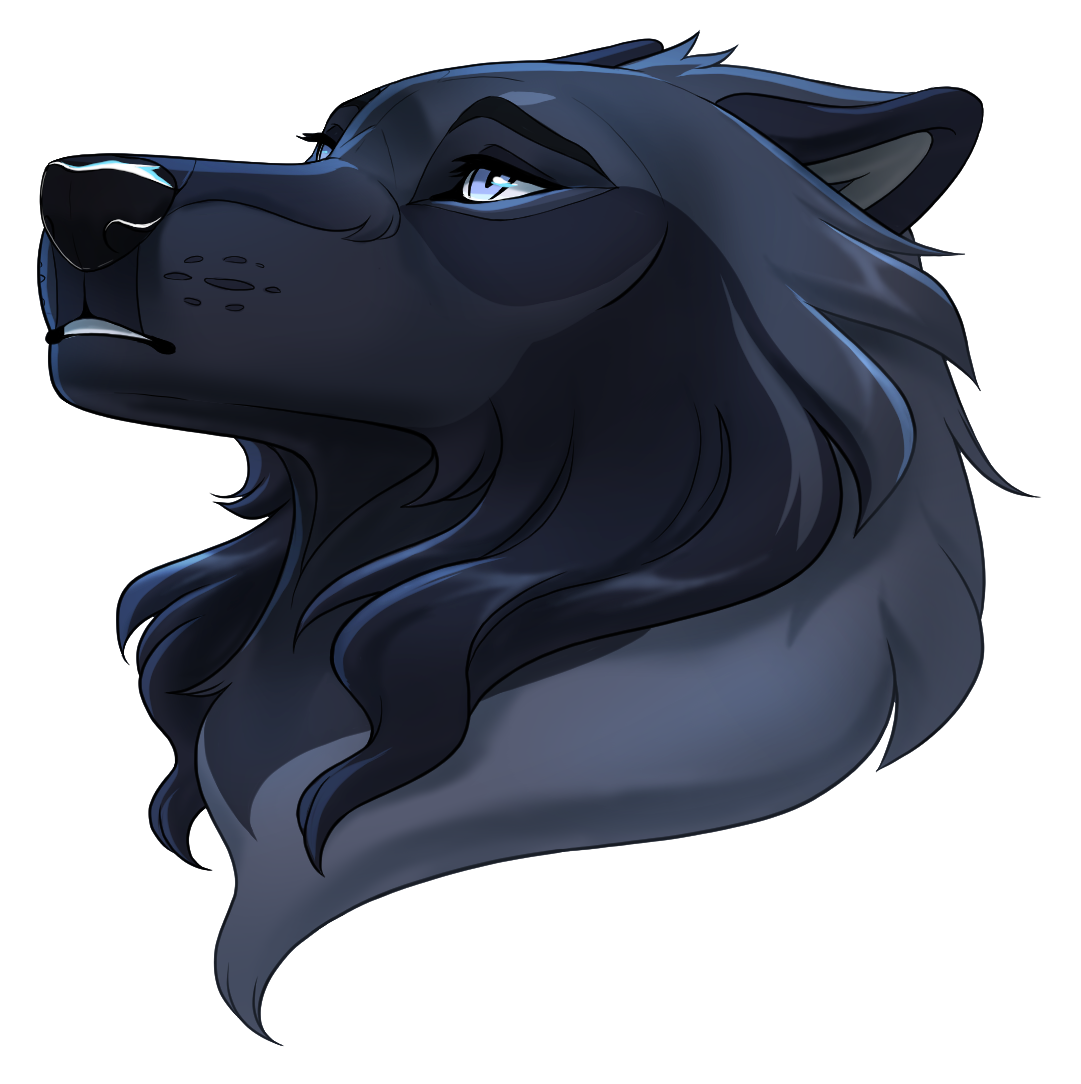
Born the eldest child to the Queen of Stormrift, Gjalla entered the world destined for queendom. Living among the ice-capped peaks of the north, her earliest memories were shaped by love of her home. From the bitter winds against the den-mouth to the distant groan of shifting glaciers, Stormrift was beautiful in the manner of all things built to endure: its mountains black beneath their crowns of snow, its valleys lean through winter, and its wolves bound together by the understanding that survival was never promised. From her youth, Gjalla was groomed to embody the spirit of her people and to regard her own wants as secondary to the kingdom that would one day become hers.
Her education began long before she was old enough to appreciate its purpose. She was taught the names of ancestral rulers alongside the histories of the enemies they had outlived, made to memorize the boundaries of hunting grounds and the old grievances attached to every contested stretch of earth. She learned which valleys flooded with the spring thaw, which vanished beneath winter snow, and how quickly a poorly managed store of meat could become a graveyard. Soldiers hardened her body while advisers sharpened her judgment, and her mother impressed upon her that a queen’s failures were rarely hers alone to suffer; every mistake would be paid for by the wolves who had placed their lives beneath her authority.
She proved well suited to the harsher demands of leadership. Gjalla possessed a keen mind for strategy, an instinctive authority, and a devotion to Stormrift that bordered upon possessiveness. She understood scarcity, discipline, and the grim arithmetic by which northern kingdoms endured. Though she excelled in command and carried herself with the authority expected of her station, Gjalla’s experience within court was far less pleasant; the princess found little satisfaction in courtly mediation and cared not for management of pride—she possessed neither talent nor affection for diplomacy, and her temper frequently made an enemy of subtlety. She could command a hunting party through a blizzard with far greater ease than she could flatter an insult from the mouth of a noble. Her honesty was often cutting, her expectations severe, and her tolerance for indecision nearly nonexistent.
Even so, Gjalla longed for the throne. Not for the ceremony or wealth or the reverence afforded a queen, but because it was her right. There was no wolf better suited for the seat, she thought, and she believed despite it all that she would make Stormrift stronger. She had watched disputes linger because pride prevented compromise, seen resources squandered to preserve appearances, and witnessed capable wolves ignored because their blood was not considered sufficiently noble. Gjalla imagined a harsher reign than her mother’s, perhaps, but also a more purposeful one. Everything she endured was accepted beneath that promise: that one day the sacrifices demanded of her would become the foundation of something greater.
Among those sacrifices was marriage; as heir, she could not be exempt from it. A pity that her hand was too soon promised to a northern prince she had never met, a union arranged to secure blood, territory, and political stability between their houses. In spite of her disappointment, Gjalla accepted the news with the same grim composure she brought to every other obligation. Affection had never been part of the agreement, nor had she expected it to be; she understood that queens were rarely permitted to build their lives according to desire. Still, as the marriage drew nearer, acceptance curdled into dread. The prince became less wolf and more the shape of a future closing around her: an unfamiliar court, an unfamiliar bed, and a life in which even her crown might belong as much to her husband as it did to her.
For the first time in Gjalla’s life, duty asked something of her that she could not force herself to surrender.
[/font]Her education began long before she was old enough to appreciate its purpose. She was taught the names of ancestral rulers alongside the histories of the enemies they had outlived, made to memorize the boundaries of hunting grounds and the old grievances attached to every contested stretch of earth. She learned which valleys flooded with the spring thaw, which vanished beneath winter snow, and how quickly a poorly managed store of meat could become a graveyard. Soldiers hardened her body while advisers sharpened her judgment, and her mother impressed upon her that a queen’s failures were rarely hers alone to suffer; every mistake would be paid for by the wolves who had placed their lives beneath her authority.
She proved well suited to the harsher demands of leadership. Gjalla possessed a keen mind for strategy, an instinctive authority, and a devotion to Stormrift that bordered upon possessiveness. She understood scarcity, discipline, and the grim arithmetic by which northern kingdoms endured. Though she excelled in command and carried herself with the authority expected of her station, Gjalla’s experience within court was far less pleasant; the princess found little satisfaction in courtly mediation and cared not for management of pride—she possessed neither talent nor affection for diplomacy, and her temper frequently made an enemy of subtlety. She could command a hunting party through a blizzard with far greater ease than she could flatter an insult from the mouth of a noble. Her honesty was often cutting, her expectations severe, and her tolerance for indecision nearly nonexistent.
Even so, Gjalla longed for the throne. Not for the ceremony or wealth or the reverence afforded a queen, but because it was her right. There was no wolf better suited for the seat, she thought, and she believed despite it all that she would make Stormrift stronger. She had watched disputes linger because pride prevented compromise, seen resources squandered to preserve appearances, and witnessed capable wolves ignored because their blood was not considered sufficiently noble. Gjalla imagined a harsher reign than her mother’s, perhaps, but also a more purposeful one. Everything she endured was accepted beneath that promise: that one day the sacrifices demanded of her would become the foundation of something greater.
Among those sacrifices was marriage; as heir, she could not be exempt from it. A pity that her hand was too soon promised to a northern prince she had never met, a union arranged to secure blood, territory, and political stability between their houses. In spite of her disappointment, Gjalla accepted the news with the same grim composure she brought to every other obligation. Affection had never been part of the agreement, nor had she expected it to be; she understood that queens were rarely permitted to build their lives according to desire. Still, as the marriage drew nearer, acceptance curdled into dread. The prince became less wolf and more the shape of a future closing around her: an unfamiliar court, an unfamiliar bed, and a life in which even her crown might belong as much to her husband as it did to her.
For the first time in Gjalla’s life, duty asked something of her that she could not force herself to surrender.
ii.
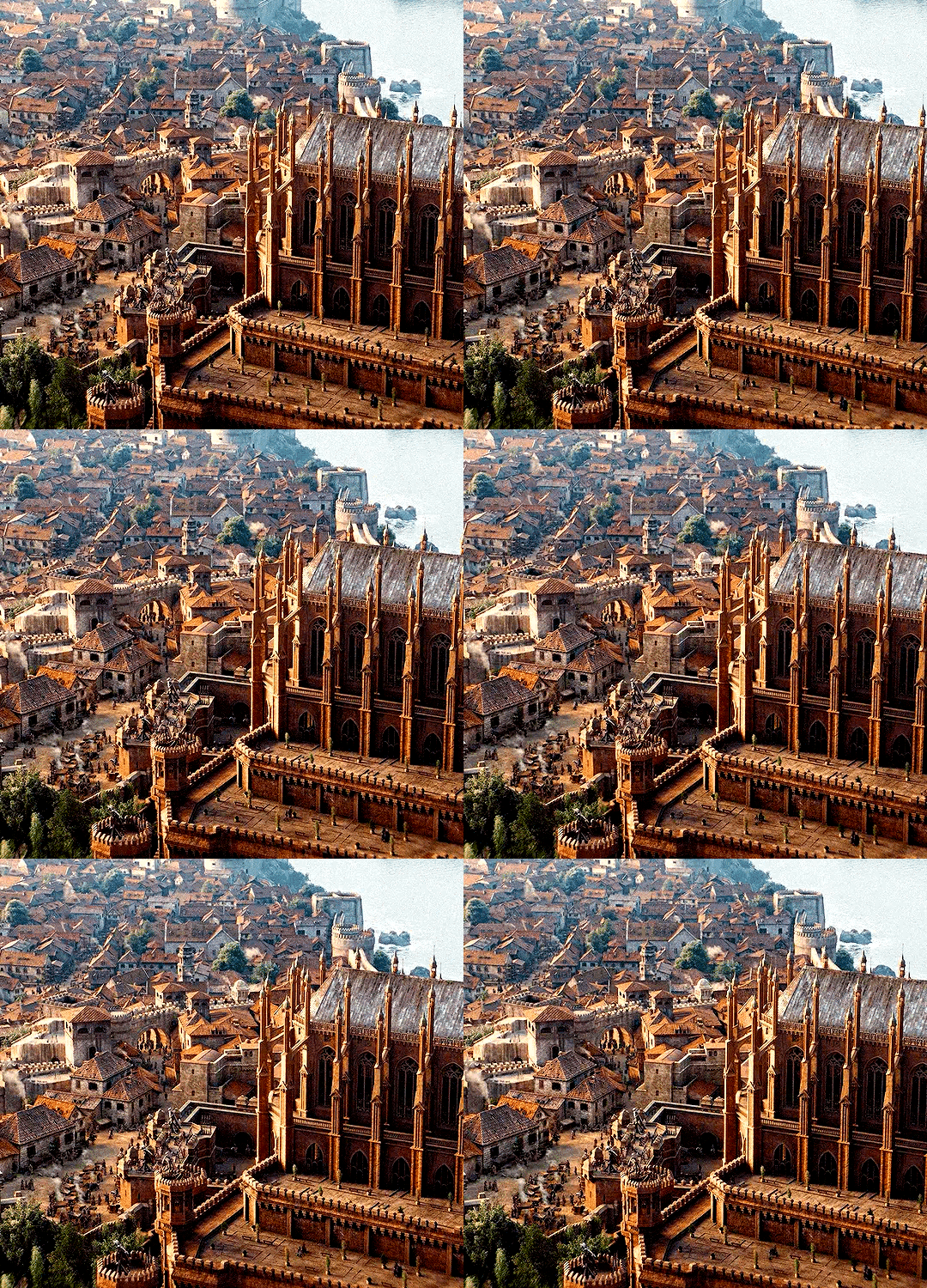
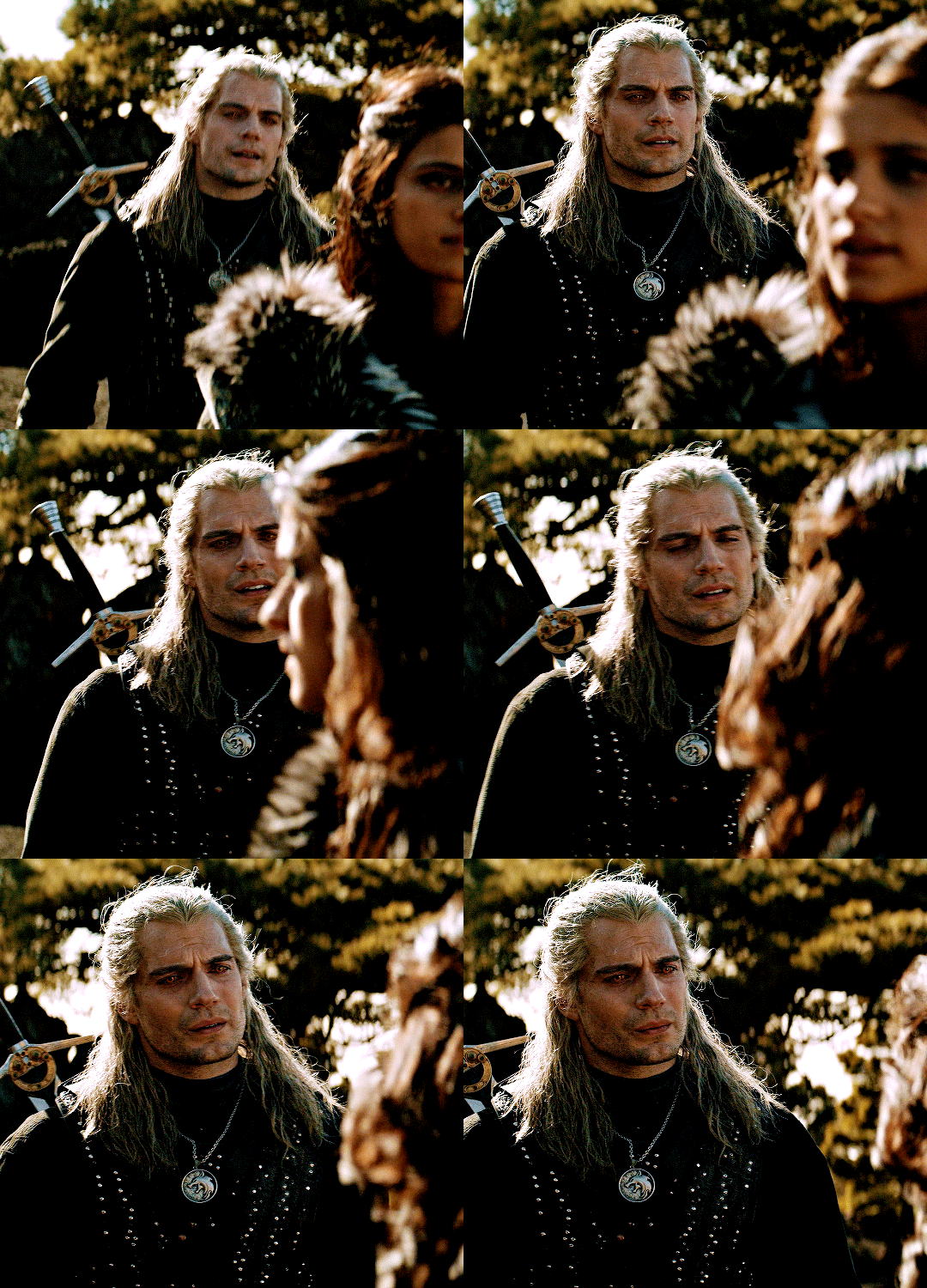
Unable to reconcile the future laid out before her, she left behind her mother, her inheritance, and the kingdom she had spent her entire life preparing to rule. The choice shamed her even as it freed her, but pride, what little of it Gjalla still had, drove her onward until she found refuge within Evenspire, ruled by the good queen Morwenna.


iii.
Following their escape from Evenspire and the execution of those responsible, Gjalla's memories and lives blur confusingly. She is plenty familiar with the truth of them, but to retell it would make quiet a mess of things...

