10/26/2026, 1:20 PM
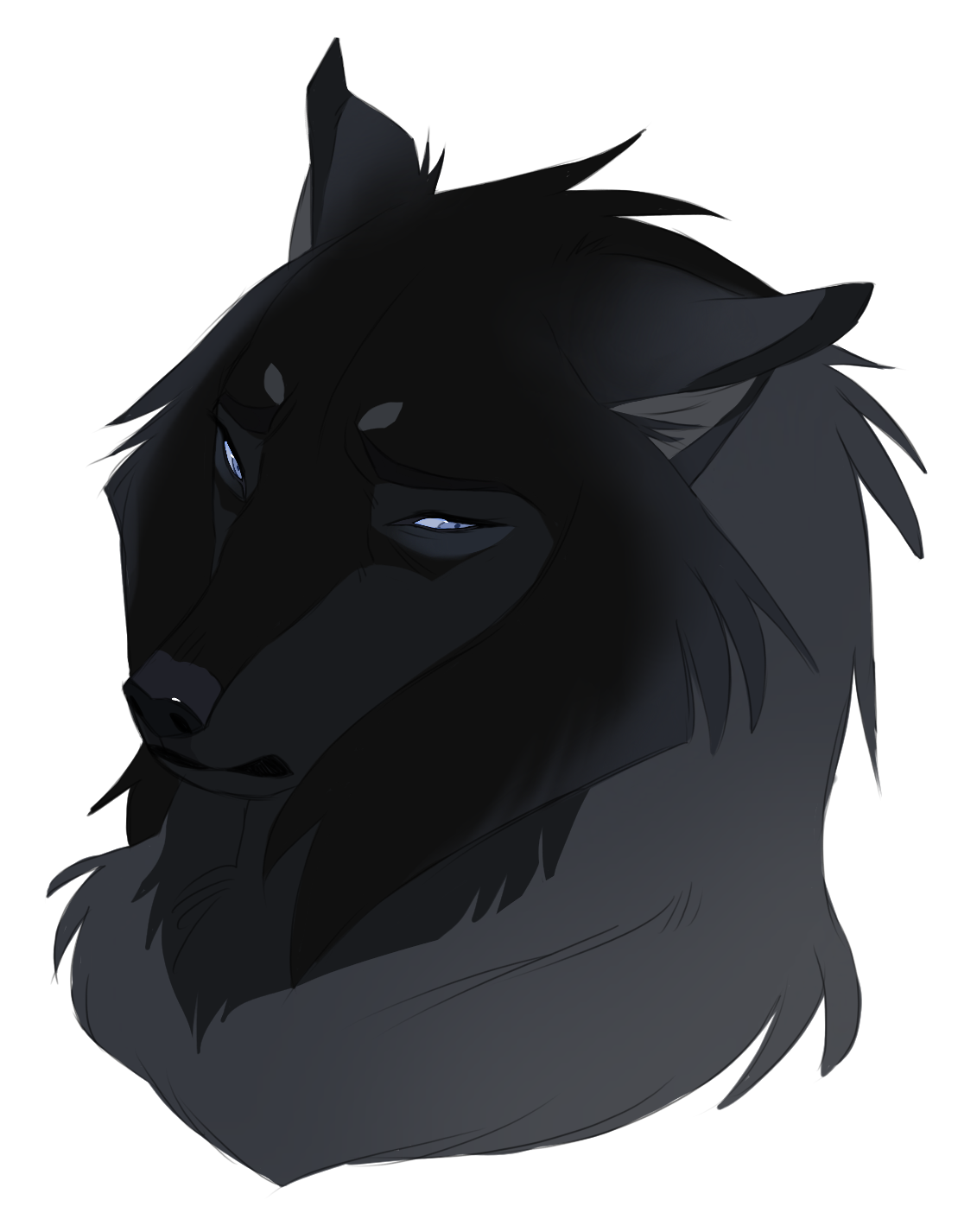
summer has been kind to the caribou. their calves have grown bold enough to stray from their mothers, though never so far that a sharp bleat cannot summon them back. fa’liya watches one such calf investigate a particularly stubborn patch of wildflowers, its narrow muzzle disappearing among the blossoms.
she has been here since morning, content to spend what little strength she possesses in their company. the herd seldom requires anything of her, and there is a peculiar comfort in being permitted to exist without expectation.
the calf discovers her soon enough. it approaches with the graceless curiosity of the very young, stretching its neck to investigate black fur. its mother watches from several paces away, untroubled. it is this small exchange that occupies the girl when another presence disturbs the grasses behind her.
fa’liya obliges with a patient lowering of her head.
hello, little one.
backdated heavily! early summer. for Yanggadi Saghani

