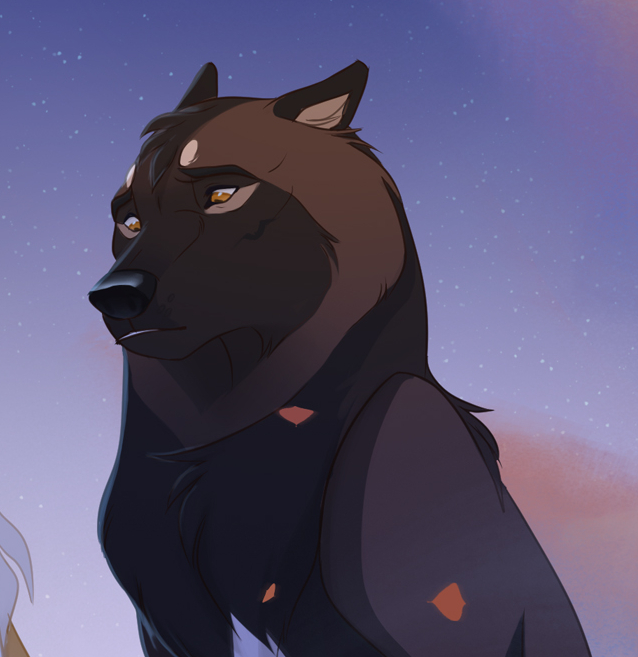
It is late when the palace turns inward upon itself that Batu slips away through night’s veil on the long, southerly lope to the Alukhai. He wishes to show the mongols that peace could be restored. Yet his rage is a palpable thing, rolling in the muscled legs grown strong again through rigorous use. A hundred faces gone and slaughtered.
Met with vehemence is a doe, her flesh divided at the circle of gers.
Bloodied muzzle dips against the lea, placing roe rump to the paws of Oyun . A sister known in the confines of nazgur and noble blood. Now both are gone, and they share meat together. This is the new way.
“ Khatar has remained loyal since we first found each other together among the han. In another life, he would be khaan. I will raise him to kheshig.” Tongue clicks against teeth, the taste of haunch flesh still coating. A decision khaan wishes khatun to be aligned in its making.
Met with vehemence is a doe, her flesh divided at the circle of gers.
Bloodied muzzle dips against the lea, placing roe rump to the paws of Oyun . A sister known in the confines of nazgur and noble blood. Now both are gone, and they share meat together. This is the new way.
“ Khatar has remained loyal since we first found each other together among the han. In another life, he would be khaan. I will raise him to kheshig.” Tongue clicks against teeth, the taste of haunch flesh still coating. A decision khaan wishes khatun to be aligned in its making.
mongolian | mandarin