

8/3/2026, 7:08 PM
(This post was last modified: 9/10/2026, 12:58 PM by Wiki Master.)

THE ETERNAL BLUE SKY
Alukhai are a clan of nomads migrating across the rugged steppe, driven to survive in the face of death, to kill before being killed, and to raise their families beneath the eternal blue sky. This is a savage land and it springs to life in all its brutal glory; terrible, tender, and tragic by turns. Their alien customs and ruthless campaigns frequently horrify more contemporary settlements, cementing them in a savage, barbaric stereotype.
▮#c2622f
▮#96a5ed
THE CLAN
UPPER
KHAAN: BatuKHATUN: Oyun
GONJI: Tselmuun
GONJI: Rasha
GONJI: Sayana
ORLOK: Khatar
MIDDLE
OTOCHI: Saranai NOKUR: Ochir
NOKUR: Zolzaya
NOKUR: Khasar
NOKUR: Yesugei
NOKUR: Sharguu
LOWER
NOMAD: Ana NOMAD: Taimoor
NOMAD: Ayoka
NOMAD: Dounia
NOMAD: Maral
NOMAD: Gerelt
NOMAD: Toghrul
NOMAD: Bayarjargal
BOGOL: Yelp
THE HERD
Tsetseg Tzookhor


CULTURE
NOMADISM
"Perhaps my cousins will live in stone houses and walled towns - Not I."
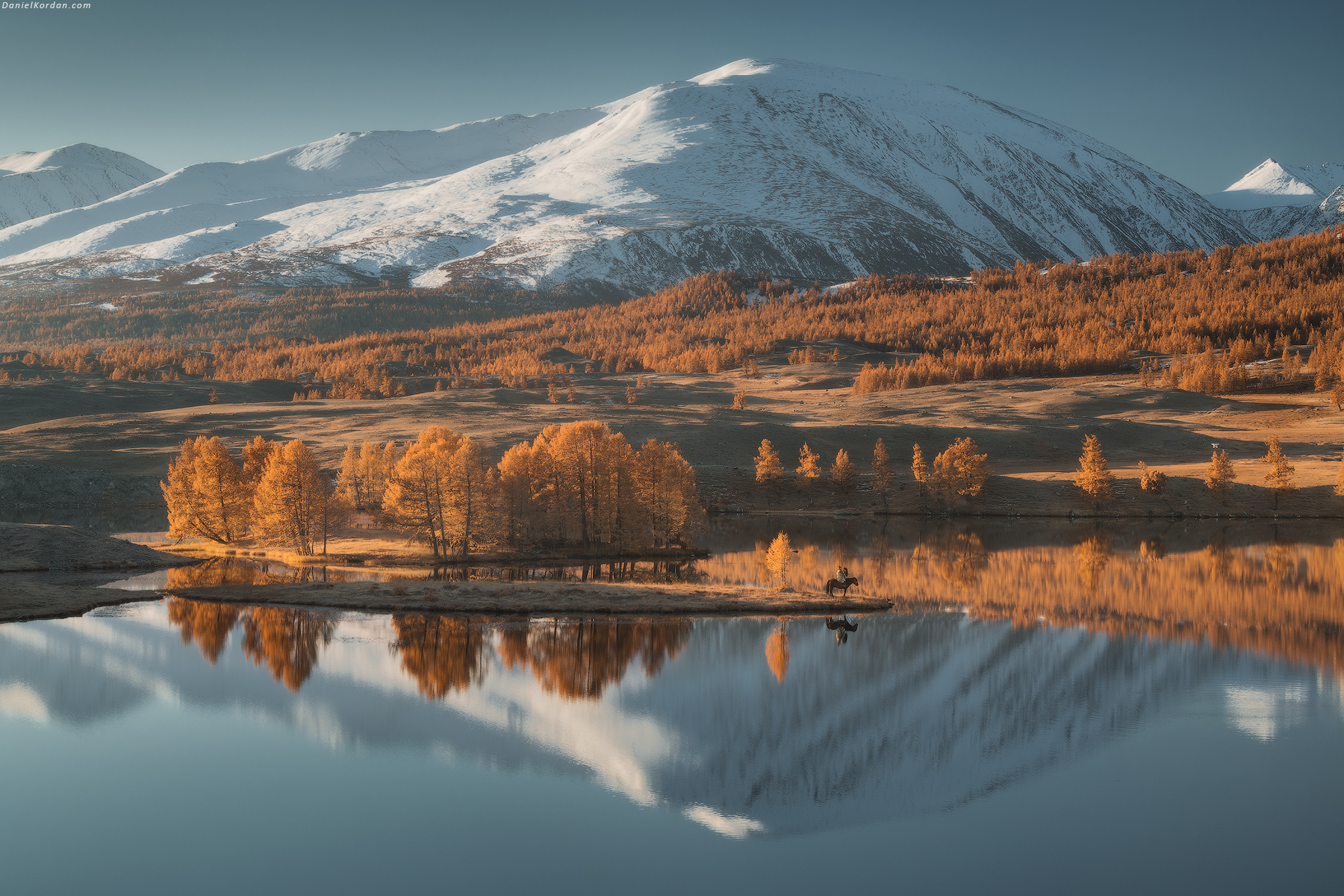
People of the vast, wind-scoured steppe, traversing across the inland sea under an open sky. Their existence is an eternal stream which moves with the seasons and binds to the hoofbeats of their horses. During summer, the clan live in high valleys chosen to provide lush grazing for the herds while avoiding extreme heat at lower elevations. Come autumn, they move down to sprawling southern grasslands. Alukhai live in gers, temporary dwellings created by pulling horse pelts over granite stones, drift wood and animal bones. This cluster of gers is called the ordo; the nomadic royal court and social rendezvous.
LEADERSHIP & LOYALTY
“If the nobles, knights, and warlords in the service of the children of the khans who are my heirs do not firmly observe the Yasa, then the state’s cause will receive a blow and be interrupted. Once again, they will look for a khan, but they will not find him.”
The khaan holds absolute, semi-divine authority as the supreme ruler of the nomadic tribe. He is treated with extreme reverence, loyalty, and absolute obedience by his people. Defying the khaan or breaking his laws meant facing swift, severe, and often ritualistic punishment. The king and his family are considered clan nobility. Strength, merit, and divine mandate determines leadership. The khaan can be challenged in a duel during the kurultai if a challenger emerges. Alukhai lives by the yasa code: enforcing a mandate that favors mongol unity and penalizes internal betrayal and treason harshly.
THE HORSE HERD
"A mongol without a horse is a bird without wings."
The bond between nomads and horses is deeply symbiotic, historical, and spiritual, thus they have ritualized their care. Horses are seen to have the highest prestige on the steppe and provide the clan with meat, milk, bones, hides and mane/tail fibers. Worn hides from pelts are called deel, and signify good status within alukhai. Spirit banners, or sulde, are sacred standards made from horsehair that represent a mongol’s living soul, vital force, guardian power, and connection to the Eternal Blue Sky. Like their wolf counterparts mongol horses are stocky, resilient, enduring extreme climates and complex, long-distance campaigns. Horses are never slaughtered except for mercy, and are never used to carry goods, neither are they ridden. A nomad with many horses is considered wealthy. It is common for mongols to have favorite horses among the herd. These are seen by the clan as sacred soul bonds.
RELIGION
“There came into the world a blue-gray wolf whose destiny was Heaven's will. His wife was a fallow deer. They traveled together across the inland sea and when they were camped near the source of the Onan River in sight of Mount Burkhan Khaldun, the first mongolian was born.”
Tengri is the supreme deity of the eternal blue sky, who emphasizes the Alukhai’s harmony with nature and the cosmos. He is paired with earth mother. The alukhai believe their souls are made up of three pieces that fit together. There is the ami (the symbol of breath), the creature-life, which lives in other creatures, most often the soul of a horse. There second is the sun (the symbol of bone), the aspect of them that are their ancestors, and dwells where memory crowds. Last is the sulde (the symbol of blood), the soul-piece unique to each mongol, which lives on through death in the physical place where a mongol has lived and loved. Shaman are the leaders of spiritual ceremonies and are the intermediaries between spirits and the clan, often helping nomads understand these roles more strongly. Spiritual life includes ancestor worship and honoring the natural spirits of fire, moon, sun, water, and mountains. While tengrism is the dominant religion, the clan accepts and promotes many cultures and religions so long as they respect their own.
ORAL TRADITIONS
"My joyful Altai mountains resting like a father's embrace; our bright blue sky protecting us like a mother's love."
The clan relays their history through stories, dance, poetry and plainsong, including throat singing. These traditions recount hard migrations, legendary horses, battle heroes and tales of great love or tragedy.
HACHI
Mongols live by the concept of hachi, a binding social obligation to repay one's debts; such as actively providing food or care to one's mother to match the grace she showed in raising them, or returning hostility to an enemy. It means to be true to those who are true to you. It is common for nomads to strive after their ancestors’ hachi if it was not honored in their lifetime.
PATRILINEAL
Power, inheritance, and tribal leadership is generally passed from father to son. The overarching framework of the empire remains rooted in male dominance and inheritance. However, while generally subordinate, Alukhai women possess a large degree of freedom in managing the camps, holding political roles, and raising pups. Male and female roles are regarded as complementary, each fulfilling a distinct but equally valued purpose.
MARRIAGE
"There are three men for every lady. First man is golden governance. Second man is pure dignity. Third man is the man you marry."
Marriages strengthen the clan ties and are a heavily promoted and celebrated custom on the steppe. Engagements are often arranged by parents when children are young, sometimes confirmed through divination from the otochi or dreams. A groom's family is expected to pay a bride price, or kalyum, to her family to compensate for the loss of their daughter's labor. Men of higher status often have multiple wives, however, his first is the chief wife, and her children have chief inheritance to family wealth. If a husband dies, a widow is often cared for by a male relative of the family to keep their lines intact. Noble marriages often forge ties between tribes, while commoner unions focus on wealth and resources. During the wedding week, the couple will erect their new ger. The bride’s family is responsible for interior furnishings while the groom’s family is responsible for construction and coverings. After which, a formal ceremony with matrimony vowels commences followed by multiple-day celebrations of dancing, feasts, and sacred rituals.
BEAUTY STANDARD
Alukhai prize traits suited for their harsh, nomadic lifestyle, valuing robust health and strong features in men and women. Frailty is a fault, as stamina and the ability to work and move the herds is essential. The physical demands of steppe survival and long campaigns require nomads to be active, muscular and capable of defending themselves. They are a shorter people, stocky and powerful with broad shoulders, large chests, and thick limbs which adapt them to the extreme climates of their territory.
THE IVORY ROAD
"Say ye unto countries that I am the sovereign of the sunrise, and they are the sovereigns of the sunset. Let there be between us a firm treaty of friendship, amity, and peace, and let traders and caravans on both sides come and go."
A trade route established for knowledge sharing, linking civilizations and exchanging various goods like herbs, dyes, precious stones, meat, animal hides, berries, and ivory. The road will seek access and relations through all packs in the wastes. Breeding rights, horses, marriages, hunting territory, shamanic knowledge, and foster children may eventually be expanded on through positive relations.
"Perhaps my cousins will live in stone houses and walled towns - Not I."
People of the vast, wind-scoured steppe, traversing across the inland sea under an open sky. Their existence is an eternal stream which moves with the seasons and binds to the hoofbeats of their horses. During summer, the clan live in high valleys chosen to provide lush grazing for the herds while avoiding extreme heat at lower elevations. Come autumn, they move down to sprawling southern grasslands. Alukhai live in gers, temporary dwellings created by pulling horse pelts over granite stones, drift wood and animal bones. This cluster of gers is called the ordo; the nomadic royal court and social rendezvous.
LEADERSHIP & LOYALTY
“If the nobles, knights, and warlords in the service of the children of the khans who are my heirs do not firmly observe the Yasa, then the state’s cause will receive a blow and be interrupted. Once again, they will look for a khan, but they will not find him.”
The khaan holds absolute, semi-divine authority as the supreme ruler of the nomadic tribe. He is treated with extreme reverence, loyalty, and absolute obedience by his people. Defying the khaan or breaking his laws meant facing swift, severe, and often ritualistic punishment. The king and his family are considered clan nobility. Strength, merit, and divine mandate determines leadership. The khaan can be challenged in a duel during the kurultai if a challenger emerges. Alukhai lives by the yasa code: enforcing a mandate that favors mongol unity and penalizes internal betrayal and treason harshly.
THE HORSE HERD
"A mongol without a horse is a bird without wings."
The bond between nomads and horses is deeply symbiotic, historical, and spiritual, thus they have ritualized their care. Horses are seen to have the highest prestige on the steppe and provide the clan with meat, milk, bones, hides and mane/tail fibers. Worn hides from pelts are called deel, and signify good status within alukhai. Spirit banners, or sulde, are sacred standards made from horsehair that represent a mongol’s living soul, vital force, guardian power, and connection to the Eternal Blue Sky. Like their wolf counterparts mongol horses are stocky, resilient, enduring extreme climates and complex, long-distance campaigns. Horses are never slaughtered except for mercy, and are never used to carry goods, neither are they ridden. A nomad with many horses is considered wealthy. It is common for mongols to have favorite horses among the herd. These are seen by the clan as sacred soul bonds.
RELIGION
“There came into the world a blue-gray wolf whose destiny was Heaven's will. His wife was a fallow deer. They traveled together across the inland sea and when they were camped near the source of the Onan River in sight of Mount Burkhan Khaldun, the first mongolian was born.”
Tengri is the supreme deity of the eternal blue sky, who emphasizes the Alukhai’s harmony with nature and the cosmos. He is paired with earth mother. The alukhai believe their souls are made up of three pieces that fit together. There is the ami (the symbol of breath), the creature-life, which lives in other creatures, most often the soul of a horse. There second is the sun (the symbol of bone), the aspect of them that are their ancestors, and dwells where memory crowds. Last is the sulde (the symbol of blood), the soul-piece unique to each mongol, which lives on through death in the physical place where a mongol has lived and loved. Shaman are the leaders of spiritual ceremonies and are the intermediaries between spirits and the clan, often helping nomads understand these roles more strongly. Spiritual life includes ancestor worship and honoring the natural spirits of fire, moon, sun, water, and mountains. While tengrism is the dominant religion, the clan accepts and promotes many cultures and religions so long as they respect their own.
ORAL TRADITIONS
"My joyful Altai mountains resting like a father's embrace; our bright blue sky protecting us like a mother's love."
The clan relays their history through stories, dance, poetry and plainsong, including throat singing. These traditions recount hard migrations, legendary horses, battle heroes and tales of great love or tragedy.
HACHI
Mongols live by the concept of hachi, a binding social obligation to repay one's debts; such as actively providing food or care to one's mother to match the grace she showed in raising them, or returning hostility to an enemy. It means to be true to those who are true to you. It is common for nomads to strive after their ancestors’ hachi if it was not honored in their lifetime.
PATRILINEAL
Power, inheritance, and tribal leadership is generally passed from father to son. The overarching framework of the empire remains rooted in male dominance and inheritance. However, while generally subordinate, Alukhai women possess a large degree of freedom in managing the camps, holding political roles, and raising pups. Male and female roles are regarded as complementary, each fulfilling a distinct but equally valued purpose.
MARRIAGE
"There are three men for every lady. First man is golden governance. Second man is pure dignity. Third man is the man you marry."
Marriages strengthen the clan ties and are a heavily promoted and celebrated custom on the steppe. Engagements are often arranged by parents when children are young, sometimes confirmed through divination from the otochi or dreams. A groom's family is expected to pay a bride price, or kalyum, to her family to compensate for the loss of their daughter's labor. Men of higher status often have multiple wives, however, his first is the chief wife, and her children have chief inheritance to family wealth. If a husband dies, a widow is often cared for by a male relative of the family to keep their lines intact. Noble marriages often forge ties between tribes, while commoner unions focus on wealth and resources. During the wedding week, the couple will erect their new ger. The bride’s family is responsible for interior furnishings while the groom’s family is responsible for construction and coverings. After which, a formal ceremony with matrimony vowels commences followed by multiple-day celebrations of dancing, feasts, and sacred rituals.
BEAUTY STANDARD
Alukhai prize traits suited for their harsh, nomadic lifestyle, valuing robust health and strong features in men and women. Frailty is a fault, as stamina and the ability to work and move the herds is essential. The physical demands of steppe survival and long campaigns require nomads to be active, muscular and capable of defending themselves. They are a shorter people, stocky and powerful with broad shoulders, large chests, and thick limbs which adapt them to the extreme climates of their territory.
THE IVORY ROAD
"Say ye unto countries that I am the sovereign of the sunrise, and they are the sovereigns of the sunset. Let there be between us a firm treaty of friendship, amity, and peace, and let traders and caravans on both sides come and go."
A trade route established for knowledge sharing, linking civilizations and exchanging various goods like herbs, dyes, precious stones, meat, animal hides, berries, and ivory. The road will seek access and relations through all packs in the wastes. Breeding rights, horses, marriages, hunting territory, shamanic knowledge, and foster children may eventually be expanded on through positive relations.
LANDSCAPE
Click this link to access the full-sized map! Use the image above to access the interactive map to see current events on the steppe and the location of the clan. Clicking pins will show you visual references for various locations!

Alukhai claims the rugged steppe, a place of great austerity but beauty, too. The wide river valley is a vital pastoral region which provides lush, fertile oases across the dry grasslands. Rivers cut through rolling hills and mountain basins, offering fresh, chilled water. Valleys feature thick grasses, year-round flowers, and occasional groves of birch or willow trees. These vales burst into color during the summer with dense blankets of bright and fragrant wildflowers. It is a vast, austere, and humbling land.

A sacred, seven-hundred mile long silver thread falling from the Sartag Mountains and winding down through the green, mountainous steppes. It is aptly named the mogoi, or serpent, river. The riverwater is pristine, and as is custom the alukhai do not utilize it for bathing, washing only in lakes or ice-melt pools. While fish are bountiful in the rivers, the pack does not choose to hunt them, considering their meat to be peasant food, only consumed in times of famine.

These ancient megaliths are carved with animal motifs, usually soaring, stylized stags but can also featuring horses, tigers, and wild boar. They serve as profound spiritual markers for life, death, and the cosmos. The alukhai believe they act as spiritual guides, carrying the souls of deceased nomads upward to the heavenly realm. The stones are a nexus, connecting the earthly plane of mortals with the celestial sky. Their dead are buried at these stones.

A massive siberian elm tree stands alone on a gusty hilltop. It's thick hull has a healthy canopy, covered with small, green clusters that bloom in early spring and are followed by flat, round, paper-like winged seeds called samaras in the summer. The tree drops all it's leaves in the winter, leaving only the twisting silver branches behind. It is a natural landmark for the mid point between the steppe and the lower desert, signaling to a mongol that they have made it home.

Set in a grassy valley near the winter campgrounds, this small, secluded pool flows heaviest during late summer after seasonal rains. A waterfall off the dark cliffs pours into a narrow basalt canyon gorge fringed with pine trees, making it a beautiful and serene place for the nomads to rest in the shade and bathe. It is a preferred play-area for pups as well.

A striking red sandstone formation that glows fiery orange and red at sunset. It is made of iron-rich sand and siltstone, and is known to mongols as the eastern gateway into alukhai. It's rounded shape is said to represent the watchful eye of Tengri, guarding the river valley.

Bordered by the majestic Sartag Mountains, white lake is a massive freshwater sea with exceptionally pure water. It is surrounded by steep pines, larch forests and lush meadows, which are home to brown bears, big cats, elk, siberian moose, and wild yak. The lake is used as a primary drinking and bathing source during the summer season, when the clan migrates into the northern reach.

Dominated by larch, pine, poplar and birch trees, these forests are dense, well-protected, and support diverse wildlife. The ground cover is composed of mosses, lichen, and seasonal alpine berries and shrubs. It is a primary summer hunting ground for the clan, though the nokud must be wary of large predators living in the wood.

A rugged alpine range, dense with siberian taiga forests and deep glacial lakes. The northern peaks are steep with sharp cliffs while the eastern ridge is more rounded and mixed with lush alpine pastures and conifer forests. These mountains transition into sheltered alpine meadows where the nomads often live during sweltering summer months.

The moraine consists of dark gray gravel piles and rocky ridges left behind by ancient melting glaciers. These massive mounds of sand, soil, and boulders are incredibly difficult to navigate and act as a natural northern barrier. Trials are often held at this summit to test a warrior's paws.

A massive, crystal-clear sheet of blue ice surrounded by snow-dusted mountain peaks and the siberian taiga. The water is so pure that the deep freeze creates transparent, mirror-like surfaces showing giant geometric cracks, fractal designs and air bubbles frozen in time. Strong winds and shifting temperatures can sometimes push the ice plates together, creating jagged crystal walls that give the appearance of broken glass. Alukhai celebrates their annual Festival of Ice on the lake, where the clan gathers for traditional games, spars, and musical performances.

Permanent winds like a frozen white veil down the granite shoulders of the Sartag Mountain, resulting in glaciers of blue-veined ice, flanked by massive rocks and ancient stone moraines. Climbing the glacier is a strenuous undertaking, and rarely traversed by the clan save for in dire situations.
Alukhai claims the rugged steppe, a place of great austerity but beauty, too. The wide river valley is a vital pastoral region which provides lush, fertile oases across the dry grasslands. Rivers cut through rolling hills and mountain basins, offering fresh, chilled water. Valleys feature thick grasses, year-round flowers, and occasional groves of birch or willow trees. These vales burst into color during the summer with dense blankets of bright and fragrant wildflowers. It is a vast, austere, and humbling land.
A sacred, seven-hundred mile long silver thread falling from the Sartag Mountains and winding down through the green, mountainous steppes. It is aptly named the mogoi, or serpent, river. The riverwater is pristine, and as is custom the alukhai do not utilize it for bathing, washing only in lakes or ice-melt pools. While fish are bountiful in the rivers, the pack does not choose to hunt them, considering their meat to be peasant food, only consumed in times of famine.
These ancient megaliths are carved with animal motifs, usually soaring, stylized stags but can also featuring horses, tigers, and wild boar. They serve as profound spiritual markers for life, death, and the cosmos. The alukhai believe they act as spiritual guides, carrying the souls of deceased nomads upward to the heavenly realm. The stones are a nexus, connecting the earthly plane of mortals with the celestial sky. Their dead are buried at these stones.
A massive siberian elm tree stands alone on a gusty hilltop. It's thick hull has a healthy canopy, covered with small, green clusters that bloom in early spring and are followed by flat, round, paper-like winged seeds called samaras in the summer. The tree drops all it's leaves in the winter, leaving only the twisting silver branches behind. It is a natural landmark for the mid point between the steppe and the lower desert, signaling to a mongol that they have made it home.
Set in a grassy valley near the winter campgrounds, this small, secluded pool flows heaviest during late summer after seasonal rains. A waterfall off the dark cliffs pours into a narrow basalt canyon gorge fringed with pine trees, making it a beautiful and serene place for the nomads to rest in the shade and bathe. It is a preferred play-area for pups as well.
A striking red sandstone formation that glows fiery orange and red at sunset. It is made of iron-rich sand and siltstone, and is known to mongols as the eastern gateway into alukhai. It's rounded shape is said to represent the watchful eye of Tengri, guarding the river valley.
Bordered by the majestic Sartag Mountains, white lake is a massive freshwater sea with exceptionally pure water. It is surrounded by steep pines, larch forests and lush meadows, which are home to brown bears, big cats, elk, siberian moose, and wild yak. The lake is used as a primary drinking and bathing source during the summer season, when the clan migrates into the northern reach.
Dominated by larch, pine, poplar and birch trees, these forests are dense, well-protected, and support diverse wildlife. The ground cover is composed of mosses, lichen, and seasonal alpine berries and shrubs. It is a primary summer hunting ground for the clan, though the nokud must be wary of large predators living in the wood.
A rugged alpine range, dense with siberian taiga forests and deep glacial lakes. The northern peaks are steep with sharp cliffs while the eastern ridge is more rounded and mixed with lush alpine pastures and conifer forests. These mountains transition into sheltered alpine meadows where the nomads often live during sweltering summer months.
The moraine consists of dark gray gravel piles and rocky ridges left behind by ancient melting glaciers. These massive mounds of sand, soil, and boulders are incredibly difficult to navigate and act as a natural northern barrier. Trials are often held at this summit to test a warrior's paws.
A massive, crystal-clear sheet of blue ice surrounded by snow-dusted mountain peaks and the siberian taiga. The water is so pure that the deep freeze creates transparent, mirror-like surfaces showing giant geometric cracks, fractal designs and air bubbles frozen in time. Strong winds and shifting temperatures can sometimes push the ice plates together, creating jagged crystal walls that give the appearance of broken glass. Alukhai celebrates their annual Festival of Ice on the lake, where the clan gathers for traditional games, spars, and musical performances.
Permanent winds like a frozen white veil down the granite shoulders of the Sartag Mountain, resulting in glaciers of blue-veined ice, flanked by massive rocks and ancient stone moraines. Climbing the glacier is a strenuous undertaking, and rarely traversed by the clan save for in dire situations.
RANKS
KHAAN
Supreme ruler. Maintains unity of the steppe and oversees the expansion of their influence. The commander of armies & leading conquests. Formulating long-term strategies for foreign expansion, siege warfare, and defending against enemy invasions.
KHATUN
Queen consort; Empress. Usually wife to the khaan and mother of the heir, but also a principle leader beside the king. She leads the camp, advises rulers, manages diplomatic alliances, entertains emissaries, and may lead warriors in battle. She is the foremost lady; overseer of the consorts and served by the harem.
JINONG
Crown prince or heir apparent. Responsible for military leadership, managing the herds, maintaining inter-pack communication, dolling out justice, shadowing the khaan and leading emissary expeditions abroad. He will be especially educated political matters through the court ordo.
TAYIJI
A prince. Sons of the khatun and consorts. Responsible for military leadership, helping with herd management, maintaining inter-pack communication and dolling out justice.
GONJI
A princess. Daughters of the khatun and consorts. Tasked with governing conquered territories, managing diplomatic alliances through strategic marriages, and fighting in military campaigns, as well as coordinating seasonal migrations. They are trained in music and literacy, and may take on specific studies or concentrations in the arts.
CONSORT
Wives of the khaan acquired through political alliance. They are served by the harem, help manage the camp, supervise servants, and their primary duty is to bear the khaan children. It is possible for a son of a consort to become jinong.
ORLOK
Military generals and advisors to khaan, guarding the royal camp and family, enforcing discipline, leading hunting expeditions and training the nokud. A trusted inner circle including diverse experts from other territories. They may be assigned to escort specific royals as personal guards.
NOKUR
Warriors, hunters, couriers, and weather readers. They reinforce borders, lead hunting expeditions, spar and train, and tend to/move the herds. They are also tasked with delivering intelligence reports and military orders across the empire, information gathering, as well as providing information on local conditions, potential threats, or revolts to the khaan.
OTOCHI
Shaman, physicians, herbalists. In general, they practice shamanism, bone-setting, and medicine, as well as spiritual healing and herbal medicine and diet management. They may gather and store herbs, and act as spiritual advisors.
EKH BARIGCH
Midwives and caretakers. They may also act as teachers and pup-sitters. Their focus is on prenatal care, monitoring the mother's health throughout pregnancy, assessing the health of the pups, and assisting the otochi in the delivery process.
CONCUBINE
Harem women; entertainers, dancers and decorators. Often acquired from conquered territories and given as wives to the nokud after victories. They serve under the primary wives in domestic and sexual roles, supporting camp life while men are away and often face low social status and strict servitude. They are subjected to the orders of high-ranking wives and are expected to produce children. They serve to increase the status of their master, and may be involved in the defense of the clan in times of war.
BOGOL
Prisoners and household servants. They primarily perform the forced labor of tending to livestock and clearing dung.

HISTORY
The fertile Orkhon River Valley was once the heartland of the pastoral clans whose horsemen, the khans, commanded the great steppe. Fearing the rise of a united nomadic power, the han sought to keep the tribes divided— pitting khan against khan, obstructing trade, and provoking bloody raids that would leave the clans weakened and suspicious of one another. Every child was raised in the discipline of war, prepared from youth for a life of hardship, famine, and battle.
“The Heavens have rejected China for its excessive pride and luxury. I, on the other hand, living in the northern steppes, have no such tendencies in me; I like simplicity and the purity of morals; I reject luxury and follow moderation; I have one dress, one food; I wear the same furs and eat the same things as the cows and horse shepherds; my people agree in our endeavors, we have had mutual love for a long time.”
It was Khaan Subutai of Nazgur who saw through the han’s manipulation and rallied the horse clans under a single banner against their enemy. Warriors and women alike joined his army and he became the Great Khagan; khan of khans. United at last, the mongols retaliated, massacring northern han villages and demanding the empire withdraw from their lands.
But they would not succeed. After months of stalemate, tragedy befell the steppe as prince Jochi, heir to the mongolian empire, was slain. The khagan’s army was forced into retreat. With his people facing a slow death, Batu, military official and bastard son of the khagan, proposed a marriage alliance between the two kingdoms, a treaty which would buy precious time to recover while spies infiltrated the han borders. What Batu did not know was that the bride offered to secure the peace would be Saikhanbayar, the woman promised to him.
Taken from the steppe and renamed Ye Lanyi, Saikhanbayar was carried into the heart of the han empire, and despite the mongols' best efforts, their home was destroyed. The Orkhon Valley fell into ruin, the horse people killed or scattered through war, famine, and conquest.
* while some inspiration is drawn from the 13th century, this is a fictional mongolia & china, and though the tianlong are related to the han empire, they are not directly responsible for what has happened in this version of mongolia*
“The Heavens have rejected China for its excessive pride and luxury. I, on the other hand, living in the northern steppes, have no such tendencies in me; I like simplicity and the purity of morals; I reject luxury and follow moderation; I have one dress, one food; I wear the same furs and eat the same things as the cows and horse shepherds; my people agree in our endeavors, we have had mutual love for a long time.”
It was Khaan Subutai of Nazgur who saw through the han’s manipulation and rallied the horse clans under a single banner against their enemy. Warriors and women alike joined his army and he became the Great Khagan; khan of khans. United at last, the mongols retaliated, massacring northern han villages and demanding the empire withdraw from their lands.
But they would not succeed. After months of stalemate, tragedy befell the steppe as prince Jochi, heir to the mongolian empire, was slain. The khagan’s army was forced into retreat. With his people facing a slow death, Batu, military official and bastard son of the khagan, proposed a marriage alliance between the two kingdoms, a treaty which would buy precious time to recover while spies infiltrated the han borders. What Batu did not know was that the bride offered to secure the peace would be Saikhanbayar, the woman promised to him.
Taken from the steppe and renamed Ye Lanyi, Saikhanbayar was carried into the heart of the han empire, and despite the mongols' best efforts, their home was destroyed. The Orkhon Valley fell into ruin, the horse people killed or scattered through war, famine, and conquest.
* while some inspiration is drawn from the 13th century, this is a fictional mongolia & china, and though the tianlong are related to the han empire, they are not directly responsible for what has happened in this version of mongolia*
PACK RELATIONS
SATRIYA
neutral; neighbors; curious
neutral; neighbors; curious
TIANLONG
enemies
enemies
DUSK OASIS
neutral; neighbors; curious
neutral; neighbors; curious
JAKTEN
neutral; neighbors; curious
neutral; neighbors; curious
WALOSI
unknown
unknown
FUJIWARA DYNASTY
neutral; curious
neutral; curious
RAVORN
neutral; curious
neutral; curious
HIGHWAYMAN HOFF
neutral; curious
neutral; curious
DRAGON’S DOMINION
neutral; curious
neutral; curious
CAMHANAICH
neutral; curious
neutral; curious